
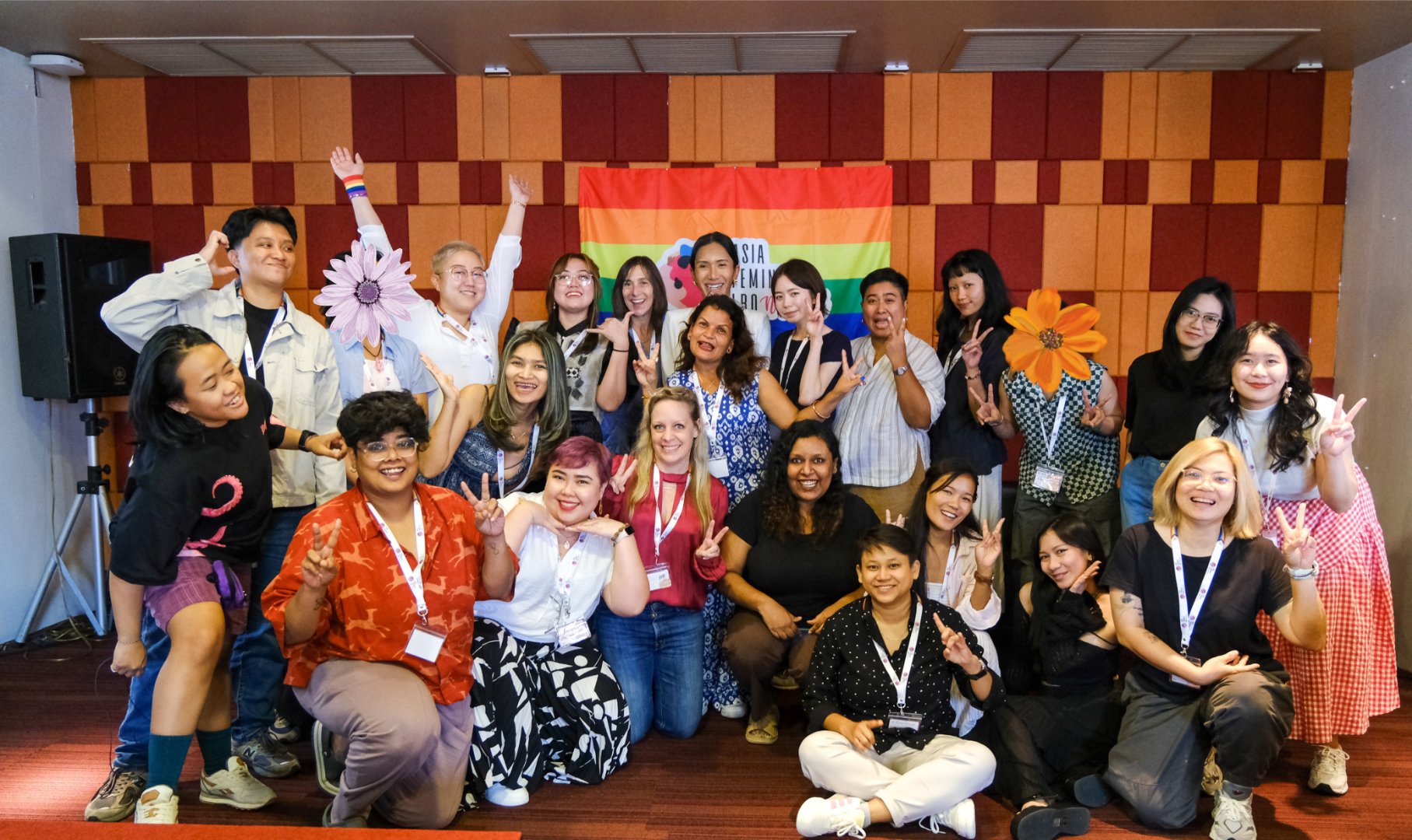
APA’s newest Member, the Asia Feminist LBQ Network, organized the Empowering LBQ Women in Asia workshop on Sexual and Reproductive Health and Rights (SRHR), Self-Care, and Well-being from 6-8 September in Bangkok, Thailand. APA was thrilled to collaborate on this initiative through supporting the co-design and facilitation of the first two days of the meeting which brought 18 LBQ activists from East, Southeast and South Asia together to discuss barriers to the fulfillment of sexual and reproductive rights.
Creating a Safe and Supportive Space for LBQ Women
This workshop provided a vital safe space for lesbian, bisexual and queer (LBQ) activists to address SRHR gaps, challenges, and opportunities for progress in Asia Pacific. LBQ women in the region are often marginalized due to their intersecting identities and can be sidelined even within LGBTIQ+ communities, due to the lack of understanding of their unique experiences and SRHR needs. The event aimed to dismantle patriarchal and binary misconceptions surrounding the SRHR of LBQ persons while equipping participants with the knowledge and resources to access SRHR services.
The first day of the workshop began with an introduction to the comprehensive definition of SRHR, followed by a group discussion on the specific SRHR needs and demands of LBQ women. Participants identified common barriers to accessing SRHR and AFLN soft-launched their groundbreaking new research on the topic. Some of the key challenges raised included limited access to safe abortion services, fertility and parenting options, and discrimination experienced in healthcare settings, such as from medical professionals and service providers. The afternoon session focused on analyzing the anti-gender movement and their strategies to undermine SRHR.
Exploring Intersectionality and Collective Advocacy
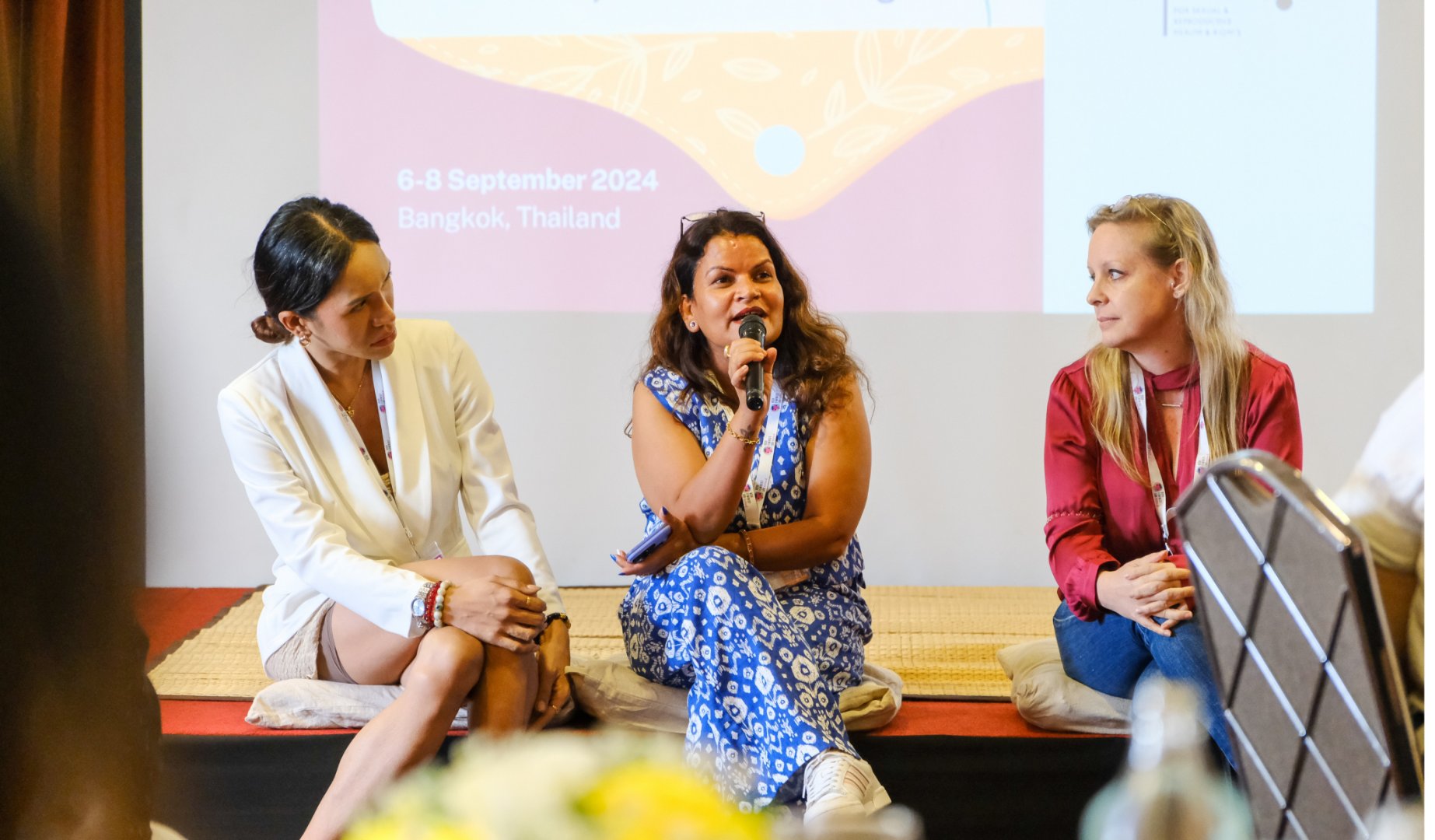
On the second day of the workshop, the participants were joined by APA Members Sita Shahi from the International Community of Women Living with HIV Asia Pacific (ICWAP) and Sherry Sherqueshaa from the Asia Pacific Network of Sex Workers (APNSW) for a panel discussion moderated by APA’s ED. They explored the intersectionality of women living with HIV, sex workers and LBQ people and how these movements can collaborate to create synergy and amplify impact in their advocacy.
Participants also analyzed the multiple identities of LBQ women and how intersectionality can impact the lived experiences of different groups of LBQ women, using it as an analytical tool to better understand and meet the unique SRHR needs of LBQ women across the region.
Utilizing International Human Rights Mechanisms
International human rights mechanisms such as the Universal Periodic Review (UPR) and the Convention on the Elimination of All Forms of Discrimination Against Women (CEDAW) amongst others were discussed as tools to advocate for the development of inclusive rights -based policies. These mechanisms, can be instrumental in pushing for SRHR that takes into account the specific needs of LBQ women, ensuring that national governments uphold their international obligations. By understanding how to leverage these international platforms, participants are better positioned to push for meaningful policy changes that address discrimination and exclusion in healthcare and other essential services.
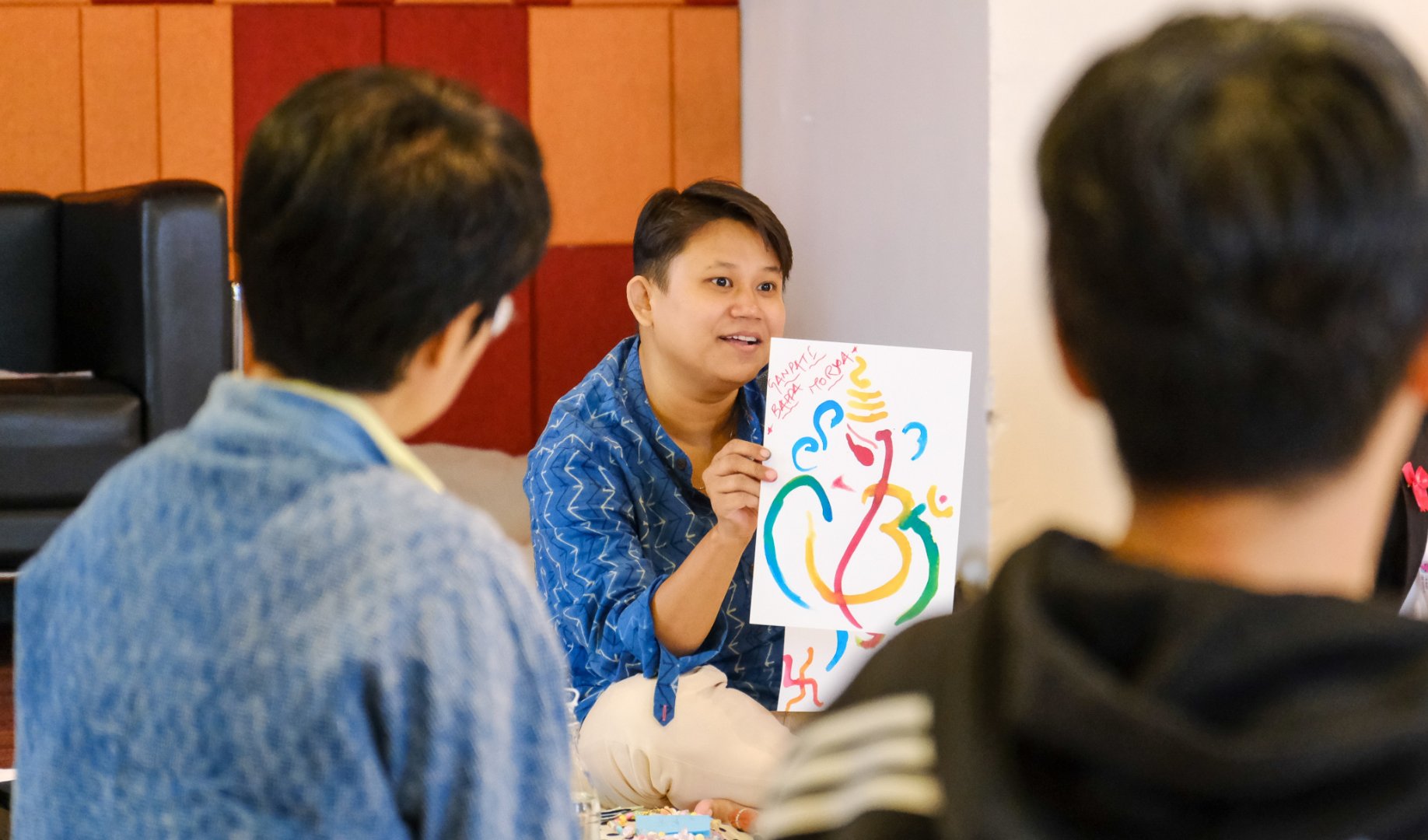
The Empowering LBQ Women in Asia workshop fostered a supportive environment where activists could share challenges to achieving SRHR within their respective countries, solutions to overcome barriers, and strengthen their collective advocacy efforts. APA looks forward to continuing this critical work alongside the Asia Feminist LBQ Network and the dedicated activists who participated in this transformative event.