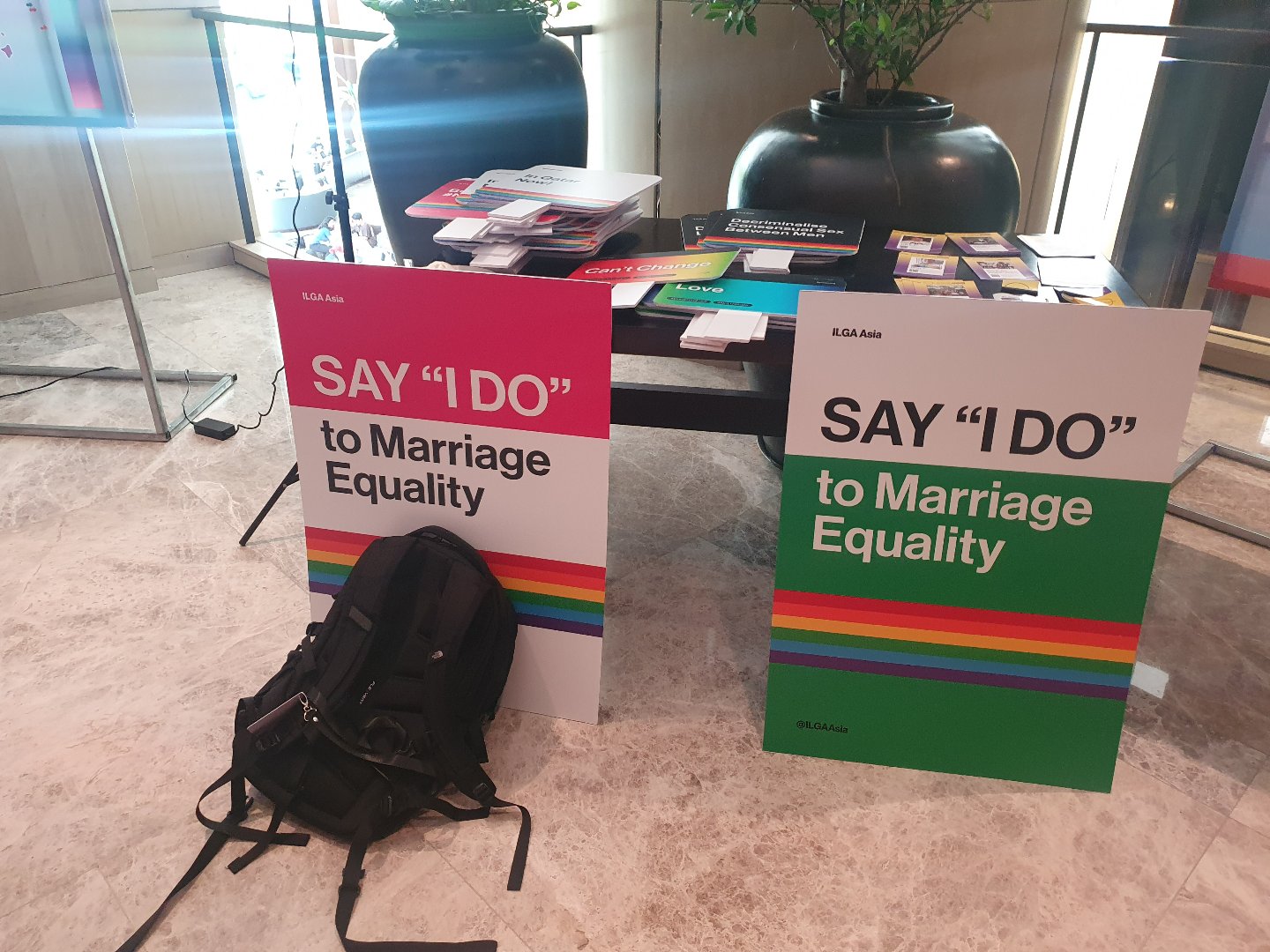
In December, APA was thrilled to join LGBTIQ+ activists from around the region of Asia and the Pacific at the International Lesbian, Gay, Bisexual, Trans and Intersex Association of Asia (ILGA Asia) conference, “Our Trials, Our Triumphs, and the Future We Demand” in Ho Chi Min City, Vietnam, from November 28-December 2.
In response to the trend of increasing of conservative, fundamentalist, and anti-rights movements that has been on the rise globally, especially in Asia, APA organized a session on Building a Common Agenda to advance Bodily Autonomy in Asia. Women’s rights, LGBTIQ, and SRHR movements work complementarily to advance human rights and sexual rights but are too often siloed in the process. Alexandra Johns, Executive Director of APA, moderated the cross-constituency session with over 40 activists participating. The discussion aimed to share experiences and strategize with audience members around a common agenda to advance bodily autonomy in Asia.
Ramil Andag from APCOM highlighted the unique experiences of each LGBT person and… “how we must address the intersectionality of discrimination. Partnership building between LGBT organization is crucial for us to mobilize collective action and to advance the rights of people with diverse SOGEISC. We need more spaces like ILGA in order to build increased and enhanced strategic partnerships.”
LGBTQIA+ refugees and immigrants face intersecting forms of oppression and violence at the detention centers in Thailand. Michelle Moi from Equal Asia Foundation stressed that “There is no respect for a person's gender identity and limited healthcare services during the detention time leads to serious health consequences. Male prisoners and officers at immigration centers often get involved in rape, discrimination and sexual violence against queer immigrants and refugees who end up in unwanted pregnancies and contract STDs, STIs and HIVs.”
Hiker Chiu from Intersex Asia discussed the normalization of surgery for intersex people and how forced surgeries are violating their bodily autonomy, bodily integrity and health. “Medicalization of intersex bodies creates trauma and other health problems… During prenatal screenings doctors would encourage abortions when the fetus is identified as intersex. Perpetuators including government actors should be held accountable for such violation of human rights. We need to raise awareness that intersex bodies are normal and beautiful.”
Matcha Phorn-in from Sangsan Anakot Yawachon Development Project highlighted how violence and abuse stemming from homophobia are intrinsic and start from households and at the school level. She shared stories of children committing suicide due to their sexual and gender identity being denied by loved ones and members of their communities. She shared that in Thailand, teachers will intentionally exclude comprehensive sexuality educational content even when included in the textbooks due to their own biased religious or political agenda.
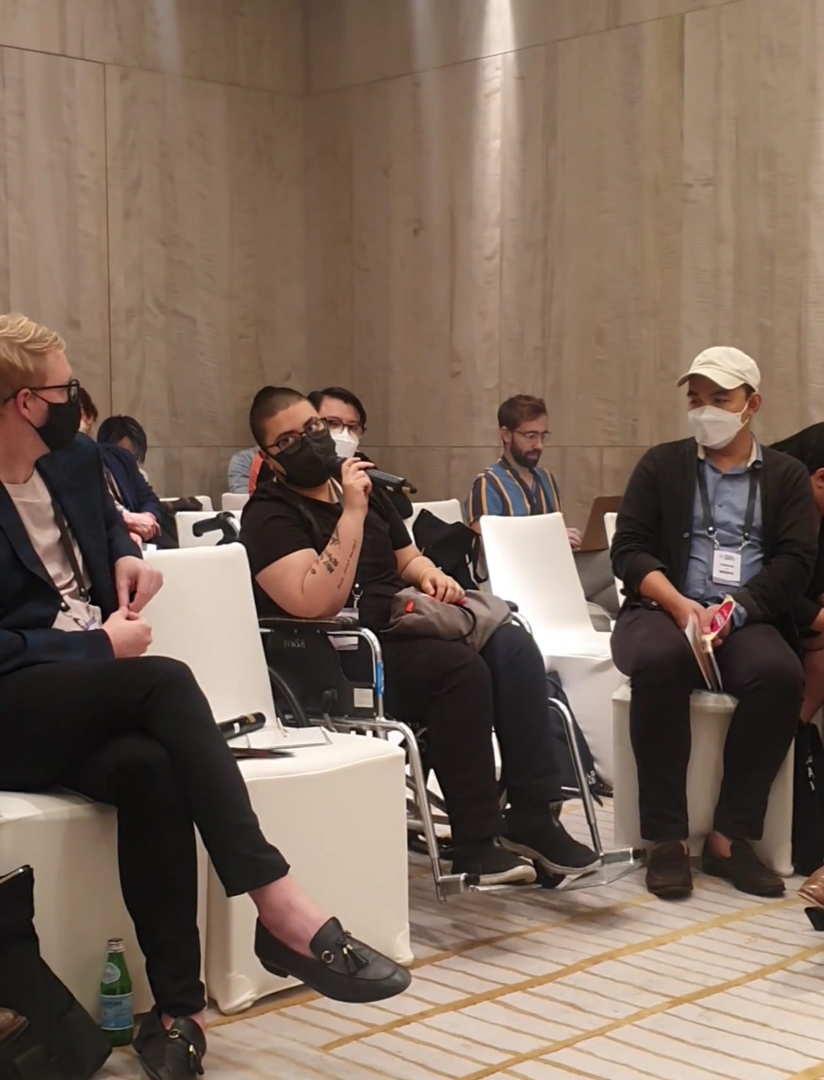
Sharing how “the trans communities experience harassment and online bullying especially in social media spaces. …and a lack of gender recognition severely limits trans and queer people to fully exercise their rights and capacities.”, Shane Bhatla from Equal Asia Foundation moved on to underline the importance of including comprehensive sexuality education within education systems and the lack of government support in this critical agenda. “Governments, authorities within the education system and teachers are often against comprehensive sexuality education and many believe it’s the parents’ responsibility to carry out sexuality education who often expose children to misinformation or lack of information about their bodies and sexualities. Teaching our children and even our own communities and peers about consent is crucial. We have to decolonize our movements and dissolve binary movements in SRHR.
Discussing strategies utilized by anti-right actors, Umyra Ahmad from Association for Women’s Rights in Development (AWID) explained “they appeal to people’s fears of colonizers to argue that queer identities are a western concept. We can observe Christian right-wing groups and the Organization for Islamic Cooperation (OIC) employing such narratives in their propaganda. The type of learning and cultural exchanges that go on between anti-rights activists is interesting and alarming as they have the ability to mobilize people by appealing to their fears, and by attempting to harness the resistance movement against imperialism. “
Reylynne Dela Paz from Plan International stressed “we need to be actively involved in politics and support politicians who represent our needs, especially in the face of anti-rights movements. Anti-rights actors resist the LGBT movement and deny our rights because they feel that their heterosexuality, traditional value of family, and religion is being threatened.”