
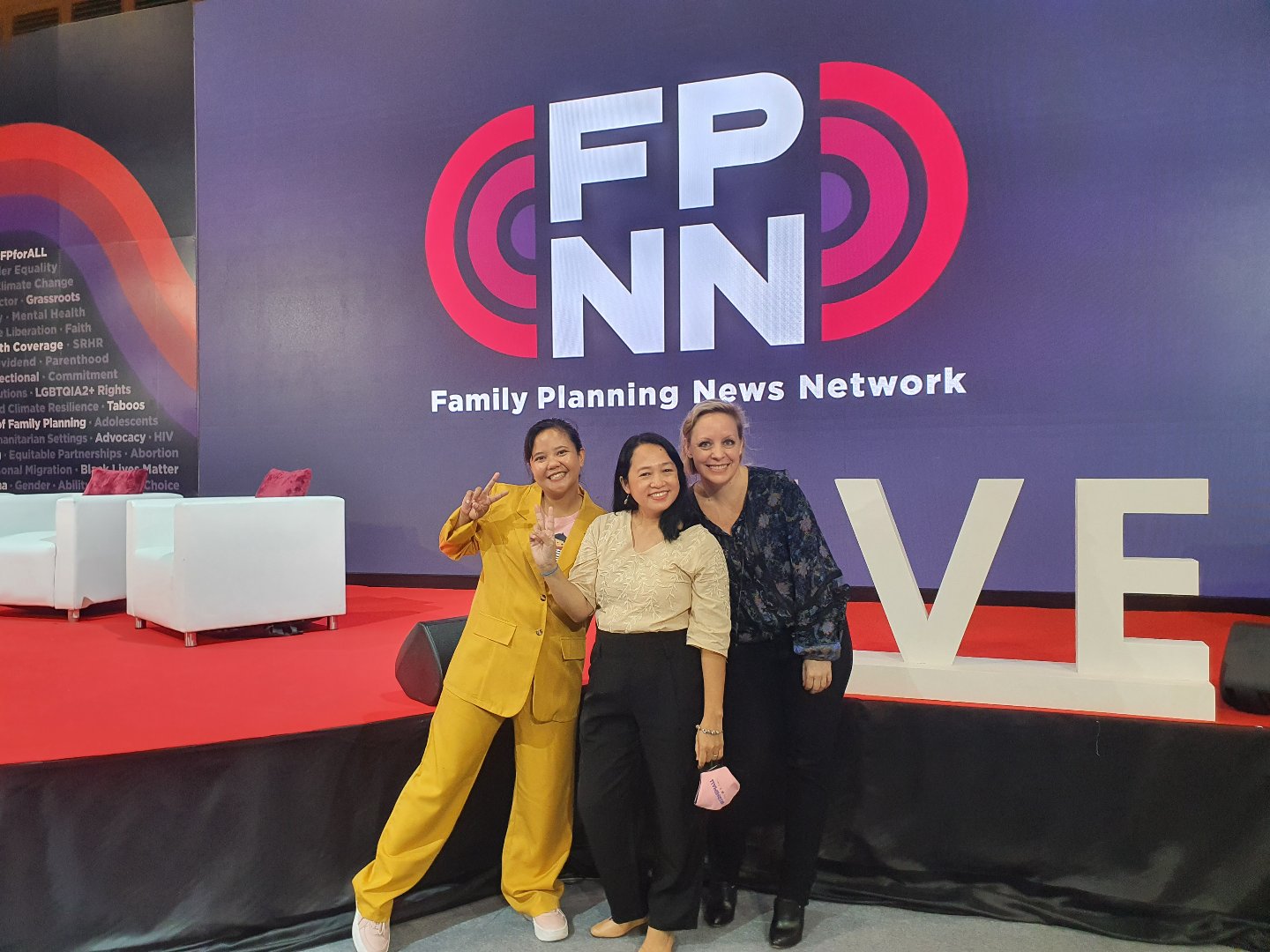
APA Members joined the 2022 International Conference on Family Planning (ICFP) which took place in Pattaya, Thailand between the 14th - 17th of November and convened thousands of healthcare professionals, advocates, researchers, government officials, and civil societies from all over the world! The ICFP provided an inspiring space for all players to share knowledge, expertise, and lessons learned to accelerate universal access to family planning.
Our members prepared a plethora of events, research presentations, and plenary discussions under the theme of Family Planning as an integral part of Universal Health Coverage (UHC). MSI Reproductive Choices and IPPF organized a joint event to discuss the aftermath of Roe v. Wade and the ways forward since it was overturned. WGNRR held a panel discussion on feminist philanthropy as an important pillar of advancing SRHR and social justice. YCSRR initiated conversations on a youth-led fight for bodily autonomy while PFI led discussions on Family Planning, planetary solutions, and the SDG. Serac-Bangladesh, Youth LEAD, Burnet Institute, Family Planning NZ, JOICFP, and Pai participated and led lively discussions on how to advance sexual and reproductive decisions in the Asia-Pacific region. For more information on the events led by APA members, you can read our blog here.
To provide space for alliance networking, APA organized a joint Member’s Reception, in cooperation with ShareNet International on Wednesday, November 16th. The event provided a space for knowledge exchange and collaboration opportunities for participants. As one of the first in-person gatherings of APA members since the outbreak of the COVID-19 pandemic, it was heartwarming to be able to connect, share and exchange thoughts on SRHR in Asia Pacific. We look forward to more meetings with the APA family in the future!
APA was also selected for a short Community Program segment on The Bodily Autonomy Community in Asia: A Pillar of Power for achieving SRHR and UHC, with members Youth LEAD, WGNRR, and Equal AF, and which took place on the third day of the conference, the panel was able to provide a snapshot of the necessity to approach family planning from a bodily autonomy perspective.
APA ED, Alexa, moderated the session which aimed to highlight the leadership of the APA network by sharing examples of the work that APA members are doing in the Asia Pacific, which is especially critical now as bodily autonomy is continuously being threatened as conservative governments, religious fundamentalists and anti-rights actors attempt to restrict freedoms under the pretense of safeguarding social order and traditional values. Alexa asked the panelists to share why achieving bodily autonomy is integral to SRHR and UHC from the perspective of their communities.
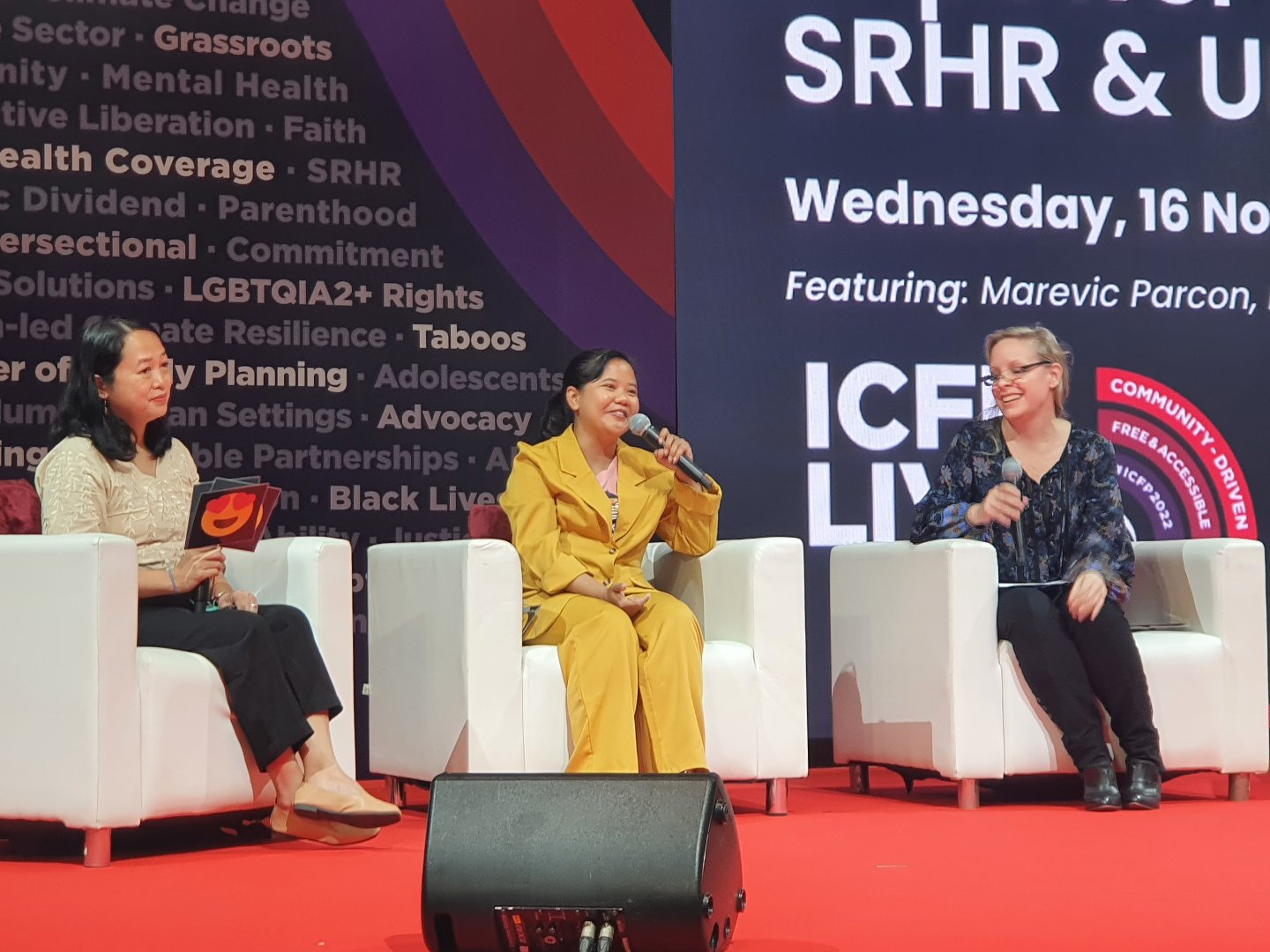
Ikka, the Regional Coordinator of Youth LEAD explained, “…from the perspective of a young key population and a young woman living with HIV, bodily autonomy is essential because it forms the foundation of equality and gender equality. When I am aware that bodily autonomy is my basic right, I can make empowered decisions for myself and my well-being and not for anyone else. My body is my business!”
Lack of bodily autonomy is a barrier affecting all of our communities. As Ryan, Executive Director of Equal AF shared through a video message, there are “important linkages with the rights of LGBT persons. Our communities are being discriminated against and forced out of families and we are subject to an onslaught of misinformation, disinformation, and practices that has debilitating impacts on their mental and physical health. Some of these abuses take the form of conversion therapy….More often than not they are criminalized and prosecuted. [ We need] to join forces and work together.”
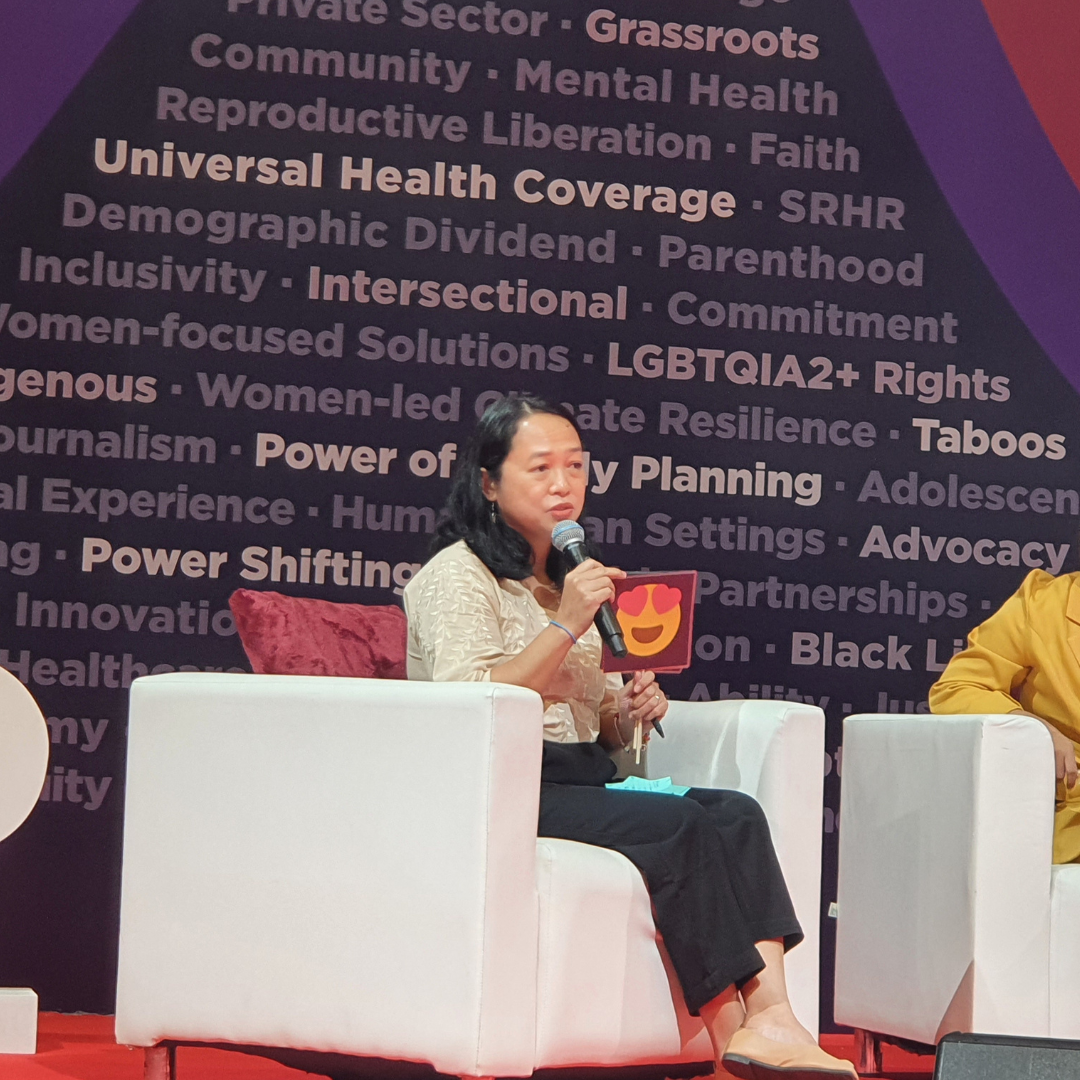
“What good are our rights without justice? What good are our rights without access to services?” asked Bing Parcon, ED of WGNRR. “We ask the politicians and the policy makers and the whole development sector to change the restrictive setting for us to be able to exercise our bodily autonomy. Losses in our bodily autonomy restricts us from making our own reproductive choices. We need to discuss the socio-cultural barriers and access to facilities that provide safe quality services by medical professionals. The progress we've made so far has been worked hard by feminists and by social movements. We have to keep working for it and change the system.”
You can watch the full recorded session here