
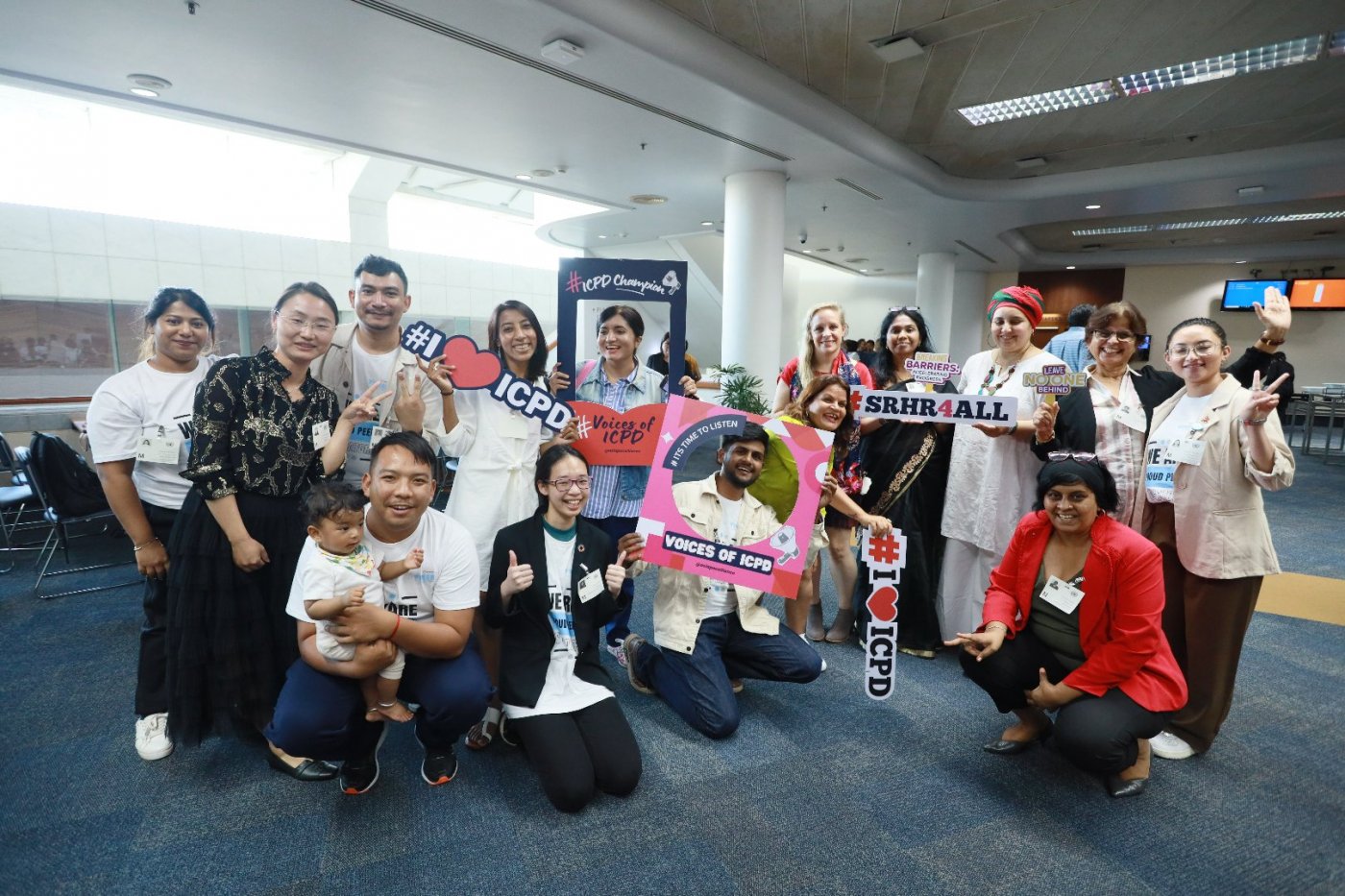
The 7th Asian and Pacific Population Conference (7APPC) took place from 15-17 November 2023 as the regional preparation for the global ICPD@30. In advance of the meeting and in preparation for this Asia Pacific review of progress on the International Conference on Population and Development Programme of Action (ICPD PoA), a CSO Steering Committee (SC) was reinstated to ensure that the meeting was grounded in regional realities.
The 12 Member 7APPC SC was composed of regional CSOs, including APA and several of our members, working across the priority areas of the ICPD agenda with diverse marginalized communities in Asia and the Pacific. The team, working on a voluntary basis, organized a series of four thematic civil society consultations on cross-cutting priority issues that took place between March – September 2023 in advance of the 7APPC, and organized the preparatory 7APPC CSO and Youth Forum which gathered upward of 130 civil society advocates from across region.
At the intergovernmental meeting, thematic priorities for the region were woven into the agenda through a series of roundtable sessions, many of which represented issues that have been glimpsed in recent headlines - aging, declining fertility rates, migration, climate crisis, and the achievement of sustainable development. This was all underpinned by the right to sexual and reproductive health for all, albeit less visibly.
SRHR is and always has been the heart of the ICPD Agenda, but in recent years it has become more controversial in intergovernmental fora, with certain governments and even intergovernmental organizations shying away from the terminology. However, CSO activists and advocates were clear - in the space that was allotted to them at the 7APPC - that SRHR is a non-negotiable for the people of the region.
One of the strengths of the 7APPC was the participation and voice accountability of the CSO observers. On day one of the intergovernmental conference, there were 8 statements delivered by CSOs representing diverse communities from across the region, including LBQ persons, climate change affected, migrants, young people, persons with disabilities, amongst others. And more were delivered during the Roundtable sessions. All highlighted different aspects of SRHR as the critical gaps and challenges facing the region, along with string concern over the closing of civic space. These short interventions were based on the full joint CSO Statement from the 7APPC, the text can be accessed here.
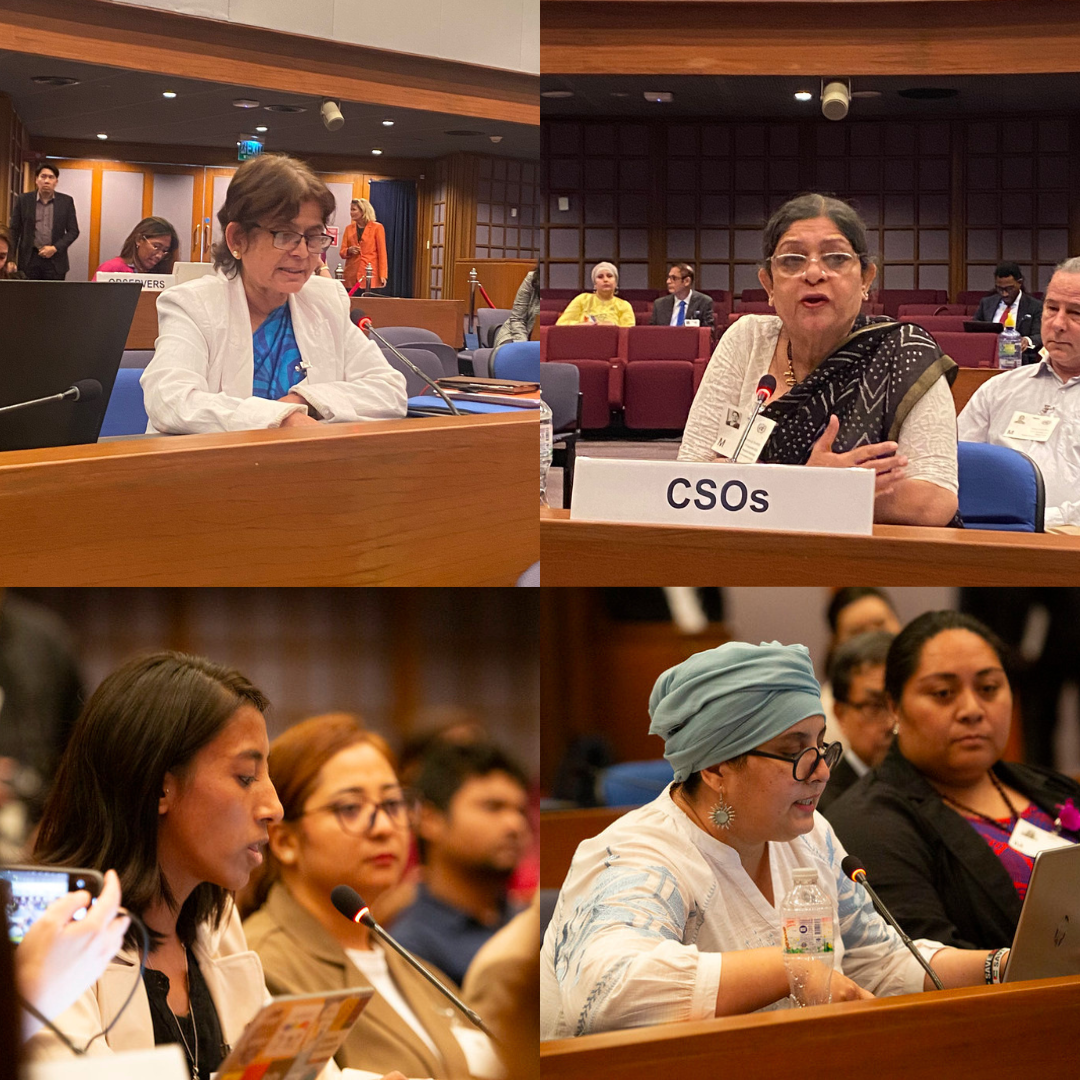
Country Statements
Given the breadth of the 7APPC thematics – climate change, migration, aging, gender – the Member State (MS) statements as a whole were somewhat less focused. The most prevalent issues highlighted in the opening statements include gender-based violence, climate change and gender equality.
When looking at MS statements from individual countries in Asia and the Pacific[1] only 10 included ‘SRHR’ in full in the opening segment, with another half dozen including SRH. In addition to this, the Cook Islands delivered a joint statement on behalf of 14 Pacific MS which also included SRHR.
On a positive note, more than half of the MS included the 2013 Asian and Pacific Ministerial Declaration on Population and Development (APMD) in their opening interventions. Whilst it was not a main priority on the agenda of the 7APPC, this is of note because the APMD is a region-specific progressive document which focuses on SRHR and its intersections across the ICPD Agenda, from poverty to the environment to health. Six of the eleven priority action areas incorporate commitments to achieving the various aspects of SRHR, such as comprehensive sexuality education, access to safe abortion, elimination of discrimination on the basis of SOGIE, sexual and reproductive rights, and it underscores the importance of partnerships with civil society.
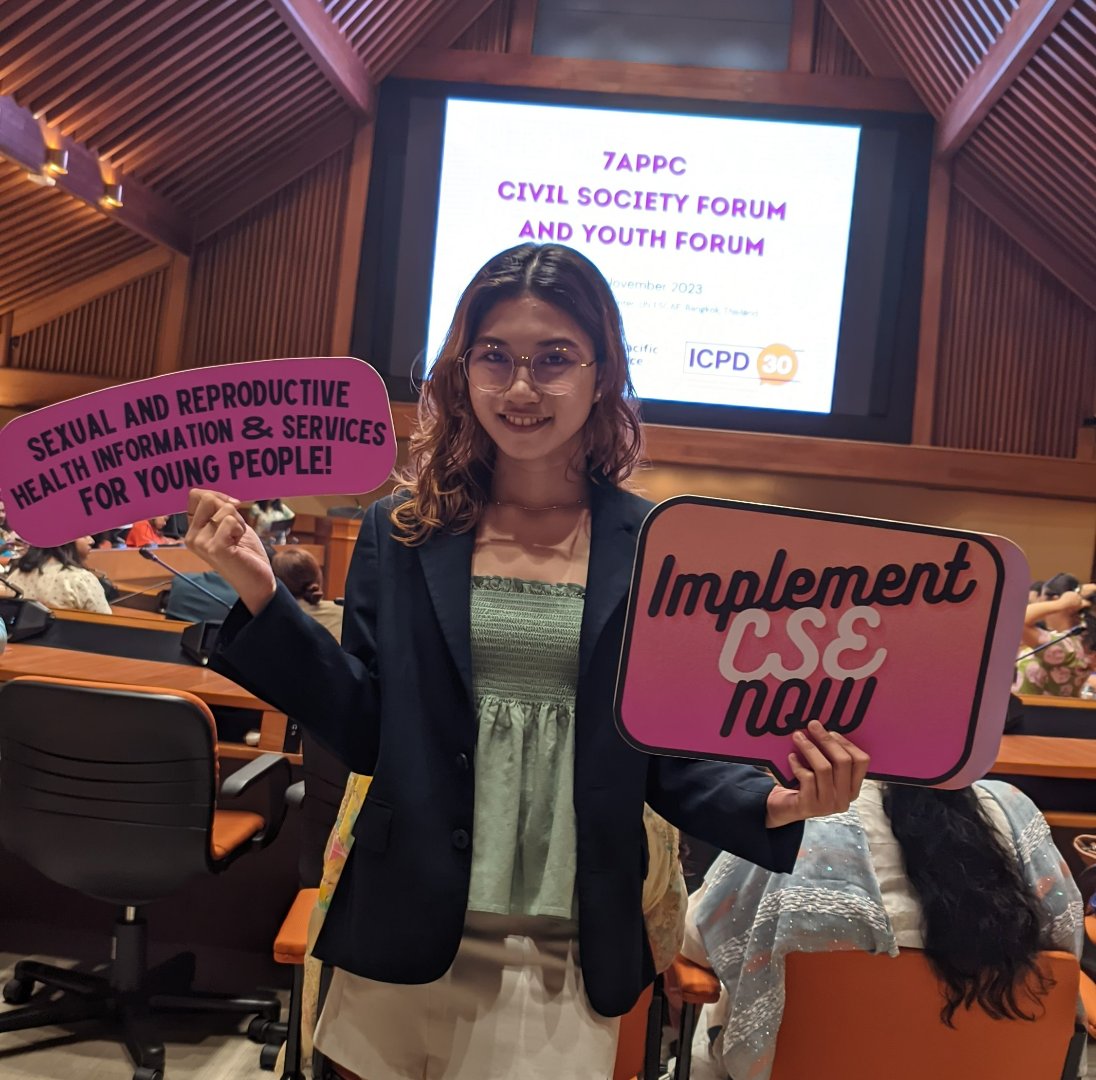
Looking Forward
The outcome of the 7APPC was a short procedural meeting report, with the promise of a Chair’s Summary to be circulated to Member States within a week. This was a break from the expected process which would normally see the Chair’s Summary negotiated in plenary prior to the close of the meeting. It is yet to seen the outcomes of this strategy - at the time of writing, two months later, the final Chair’s Summary is not yet available.
[1] excluding UK, Netherlands, USA